

¿Por qué los sistemas industriales necesitan anticongelante/refrigerante en verano?
23/05/2026
Pasos para la limpieza química de torres de refrigeración: guía de implementación
27/04/2026
Tipos de sedimentos en sistemas de ósmosis inversa y métodos para identificarlos.
25/04/2026
Beneficios de utilizar soluciones especializadas de Abrizan Company para MED
28/02/2026
Corrosion process

Introduction
Corrosion of metals is the process in which metals reach their original oxidation numbers. In fact, corrosion of metals is an oxidation-reduction reaction in which the metal is oxidized by its surroundings.
Typically, oxygen from the air plays the role of the oxidant in these processes. This reaction is also considered a popular and spontaneous reaction in terms of electrochemical reactions.
In other words, this process involves the formation of a galvanic cell in which the metal in question acts as the anode and usually corrodes or loses its function.
The corrosion process causes the deterioration or destruction of the metal. The most common example of corrosion is the formation of rust on steel. Most of the phenomena of the corrosion process are electrochemical in nature and consist of at least two reactions on the surface of the corroding metal.
One of the reactions is oxidation (e.g., dissolution of iron), also called partial anodic reaction. In this regard, tests are performed to measure the amount of iron in the water of the system (systems with circulating water, in boilers, etc.). By obtaining the amount of iron in the water, corrosion and rust, and consequently the formation of deposits in the system, can be prevented or minimized by using anti-corrosion solutions (corrosion inhibitors). Another is a reduction reaction (e.g., reduction of oxygen), also called partial cathodic reaction. The products of electrochemical reactions can react with each other in a non-electrochemical manner and form the final product (e.g., rust). For example, the corrosion of iron to form rust follows the general reaction:
2Fe + 2H2O → 2Fe(OH)2
This reaction involves the dissolution of iron, the reduction of oxygen, and the formation of rust:
Fe → Fe 2+ +2e- (anodic)
2H2O + O2 + 4e- → 4OH– (cathodic)
Fe 2+ + 2OH – → Fe(OH)2(chemical)
Types of Corrosion Process
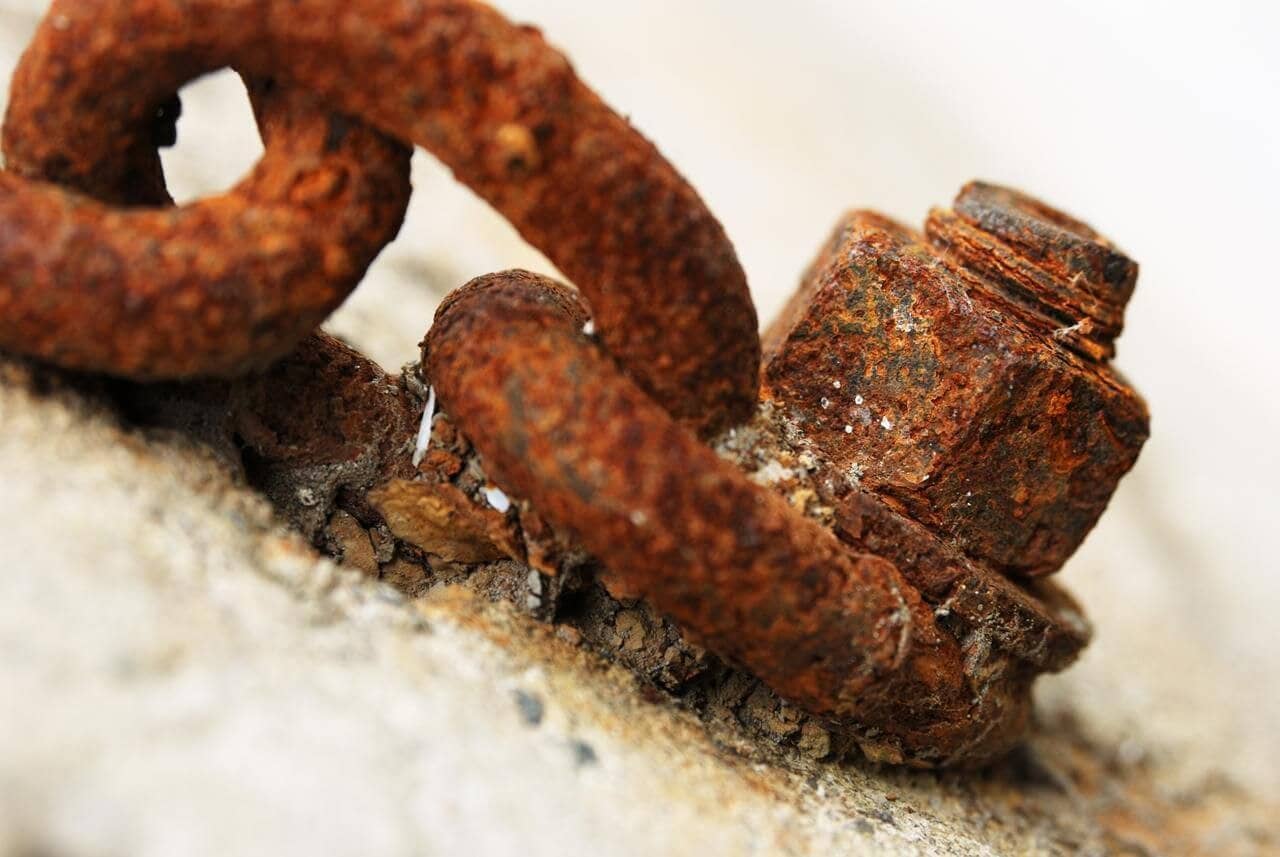
Uniform Corrosion Process:
Uniform corrosion process is carried out by corrosion attack that is generally evenly distributed over a large area or part of the metal surface. Uniform corrosion causes material loss to failure. This is the most widespread form of corrosion observed.
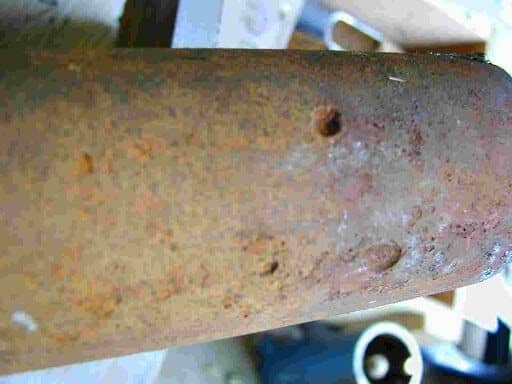
Pitturing Corrosion Process:
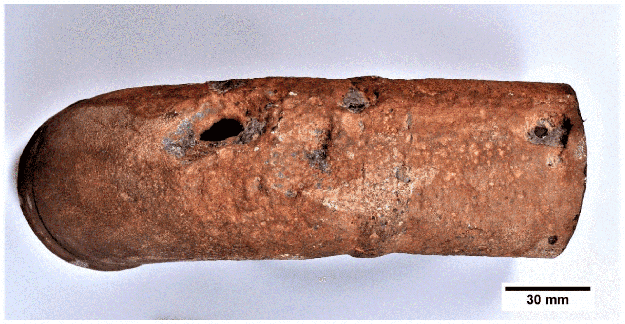
Pitturing corrosion process is a type of localized corrosion by which holes are produced in materials. Pitting corrosion damage is considered more dangerous than uniform corrosion because it is more difficult to predict. Corrosion products often cover the holes, which are often very difficult to detect. A small, narrow hole with minimal metal loss throughout can lead to complete failure of an engineering system.
Crevice Corrosion Process:
Crevice corrosion process is a type of localized corrosion that occurs when a stagnant solution is present in a small (micro) gap. Local chemical changes in gaps (protective areas) such as those under gaskets, insulation materials, surface deposits, detached coatings, threads, flange connections, and fasteners can lead to crevice corrosion.
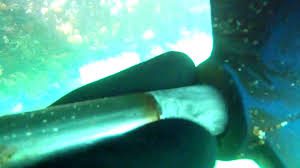
Galvanic Corrosion Process:
Galvanic corrosion refers to corrosion damage caused when two dissimilar materials are present in a corrosive electrolyte. Galvanic corrosion occurs when two (or more) dissimilar metals are electrically connected to water. When a galvanic couple is formed, one of the metals in the couple becomes the anode and corrosion occurs more rapidly than either alone, while the other becomes the cathode and corrosion occurs more slowly than either alone. Either (or both) metals in the couple may or may not corrode by themselves in seawater.
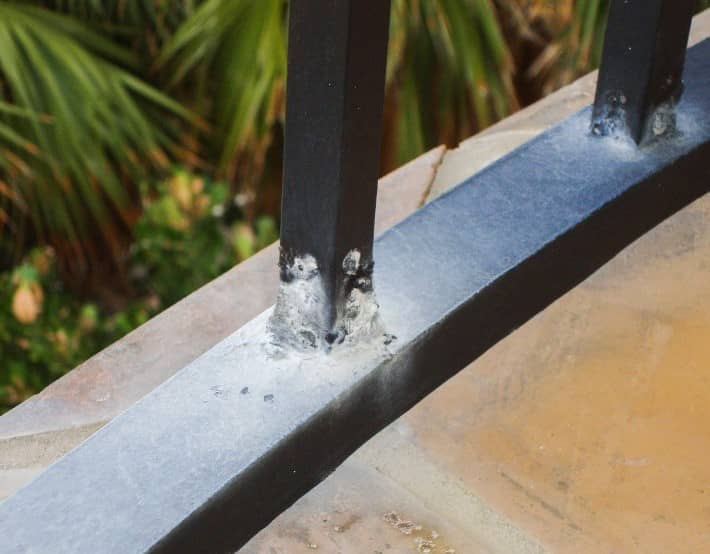
Microbiological Corrosion Process: (MIC)
Microbiological corrosion, or MIC, refers to corrosion caused by biological organisms or microbes. These microbes are classified based on common characteristics such as their byproducts (e.g., sludge production) or the compounds they affect (i.e., sulfur oxidizers). They all fall into one of two groups based on the amount of oxygen they require. One is aerobic (requires oxygen) such as sulfur-oxidizing bacteria and the other is anaerobic (requires little or no oxygen) such as sulfate-reducing bacteria.
Conclusion
We can summarize the importance of corrosion in three words: economy, safety, and protection. If we do not prevent this phenomenon, heavy direct and indirect costs will be imposed on us. In addition to the economic aspects, the sudden destruction of structures due to various types of corrosion can endanger the lives of thousands of people. In general, in electrochemical reactions, two half-reactions take place simultaneously. In one reaction, electrons are produced and in the other, electrons are consumed. For a corrosion reaction to occur, we must have a complete electrochemical circuit. The elements that make up an electrochemical circuit include the cathode (electron consuming component), the anode (electron donating component), and the electron transfer path. In corrosion systems, the electron transfer path is the electrolyte, in other words, the corrosive environment. If any of these elements are not present, the corrosion process will not occur...
compartir :
¿Por qué los sistemas industriales necesitan anticongelante/refrigerante en verano?
23/05/2026Pasos para la limpieza química de torres de refrigeración: guía de implementación
27/04/2026Tipos de sedimentos en sistemas de ósmosis inversa y métodos para identificarlos.
25/04/2026Beneficios de utilizar soluciones especializadas de Abrizan Company para MED
28/02/2026
Artículos relacionados
Efecto de los iones cloruro en los aceros inoxidables
Se expone el efecto del cloro y de los cloruros en la corrosión de los aceros inoxidables, así como los factores que influyen en su velocidad de corrosión; asimismo, se abordan los límites admisibles de las concentraciones de iones cloruro en el agua y las diferencias entre los efectos del cloro libre y de los cloruros en la corrosión de los aceros resistentes a la corrosión.
Corrosión cáustica
Corrosión localizada provocada por la concentración de sales cáusticas o alcalinas, la cual suele producirse en condiciones de alta evaporación o transferencia de calor. Las sales cáusticas —o la sosa cáustica— constituyen uno de los compuestos iónicos más utilizados; se emplean en diversos sectores, tales como el tratamiento de aguas, la producción de cartón y papel, la industria petrolera y de refinación, la fabricación de aluminio, la industria alimentaria, la producción de alcohol y la industria del vidrio.
Corrosión y formación de depósitos en sistemas de agua de refrigeración, según la norma API 571
Se refiere a la corrosión general o localizada de los aceros al carbono y otros metales, causada por sales disueltas, gases, compuestos orgánicos o actividad microbiológica.
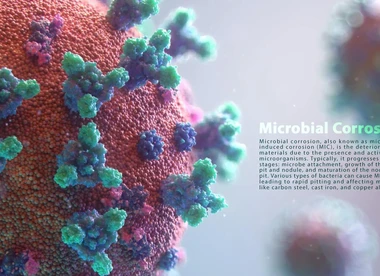
Corrosión microbiana según API 571
La corrosión microbiana es un tipo de corrosión causada por organismos vivos, tales como bacterias, algas u hongos. Este tipo de corrosión suele estar asociado a tubérculos o a materiales orgánicos viscosos.
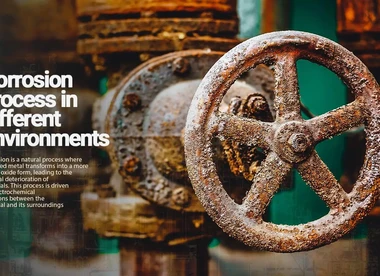
Proceso de corrosión en diferentes entornos
En una clasificación más exhaustiva, los procesos de corrosión se dividen en tres grupos: corrosión en soluciones o medios acuosos, corrosión en sales fundidas y metales líquidos, y corrosión en gases.
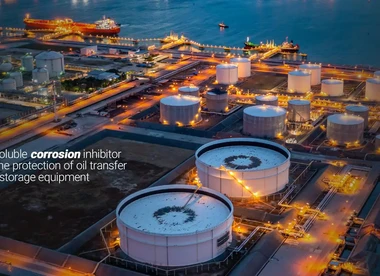
Inhibidor de corrosión soluble en aceite para la protección de equipos de transferencia y almacenamiento de petróleo
La corrosión es un fenómeno natural que se produce como resultado de la reacción electroquímica de un metal con el entorno que lo rodea. En la industria del petróleo y el gas, la corrosión constituye uno de los principales problemas, lo que supone un coste económico enorme cada año. Parte de estos costes se debe a la corrosión de tuberías o líneas de transporte de petróleo. Los métodos eficaces para prevenir la corrosión en los equipos de transporte y almacenamiento de petróleo se dividen en dos categorías: soluciones físicas y soluciones químicas.

uso de cupones
El método de cupones —o uso de cupones de corrosión— es la técnica más sencilla para el monitoreo de la corrosión. Los cupones constituyen la herramienta de monitoreo de la corrosión más antigua. Consisten en pequeñas piezas de metal o aleación —del mismo material que se desea analizar— que se sumergen en el medio del proceso; tras un periodo de tiempo determinado, se retiran para evaluar y examinar la pérdida de peso o de dimensiones que hayan experimentado.
Deaerators
Deaerators are mechanical devices that remove dissolved gases from the boiler feedwater. By reducing the concentration of oxygen and carbon dioxide in the solution, they minimize corrosion and protect the boiler from the effects of corrosive gases.
Envía tu opinión
Tu dirección de correo electrónico no será publicada.