

¿Por qué los sistemas industriales necesitan anticongelante/refrigerante en verano?
1405/03/02
Pasos para la limpieza química de torres de refrigeración: guía de implementación
1405/02/07
Tipos de sedimentos en sistemas de ósmosis inversa y métodos para identificarlos.
1405/02/05
Beneficios de utilizar soluciones especializadas de Abrizan Company para MED
1404/12/09
Disinfection and sanitization of water

Removing living organisms from water (disinfection):
After going through various stages of purification, water must be disinfected to the required extent, depending on what it is used for. For example, after purification and removal of suspended and soluble substances in drinking water, it must be cleaned of any microbial contamination so that it does not pose any health risks to the consumer.
Disinfecting water is known as destroying or inactivating living organisms and pathogenic microorganisms.
The following methods are used for disinfection:
a) Using chemicals, including adding chlorine and its compounds, bromine, iodine and ozone.
b) Using physical factors that include heat, ultraviolet rays and gamma rays.
Disinfectants have been described through four mechanisms, which include:
a) Cell wall destruction
b) Change in cell permeability
c) Change in the colloidal nature of protoplasm
d) Enzyme activity disruption
Rupture and destruction of the cell wall leads to cell death, which causes the destruction of microorganisms. The selective penetration of the cell cytoplasm membrane is changed by some disinfectant compounds and causes substances such as nitrogen and phosphorus, which are vital nutrients for the cell, enter it instead of leaving the membrane
Radiation, acidic and alkaline agents are another group of antiseptic agents that change the colloidal nature of radio plasm. For example, they cause cell protein to clot and as a result prepare the conditions for cell death. Also, disinfectants such as chlorine and ozone disrupt the chemical structure of enzymes by oxidation and slow down or destroy their activity.
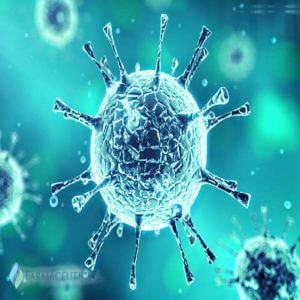
Factors affecting the effectiveness of disinfectants:
Several conditions and factors affect the performance of disinfectants. These factors include the type of microorganisms, temperature, contact time, concentration and type of disinfectant.
Contact time:For a certain concentration of disinfectant, usually, as the contact time of disinfectants increases, the percentage of bacteria death increases as well.
Temperature:increasing in temperature makes the death of microorganisms faster.
The concentration and type of disinfectant:Disinfectant efficacy in a certain range is affected by its concentration, which this effect is shown in the following empirical relationship:
Cn.tp = constant
C = concentration
n = constant
tp = time required to achieve a constant percentage of microorganism’s death
compartir :
¿Por qué los sistemas industriales necesitan anticongelante/refrigerante en verano?
1405/03/02Pasos para la limpieza química de torres de refrigeración: guía de implementación
1405/02/07Tipos de sedimentos en sistemas de ósmosis inversa y métodos para identificarlos.
1405/02/05Beneficios de utilizar soluciones especializadas de Abrizan Company para MED
1404/12/09
Artículos relacionados

Industrial effluent
Considering that industrial wastewater causes additional costs in addition to the cost of treating municipal wastewater, the main goal should be to adopt measures that lead to a reduction in additional costs.
Main disinfection technologies
Disinfection is a key step in water treatment. In water treatment plants, this step is usually performed just before or after filtration. Pre-disinfection using chlorine dioxide and ozone can also be performed with careful consideration of the potential for chlorite, chlorate, and bromate formation.
Desinfección y fluoración del agua
La desinfección del agua potable se realiza para inactivar o eliminar patógenos, con el objetivo de cumplir con los estándares básicos de calidad del agua. La desinfección cumple en parte con el objetivo principal de la purificación del agua, que es proporcionar agua libre de organismos patógenos. La fluoración se utiliza como método para prevenir las caries dentales. La sensibilidad pública hacia la fluoración y los nuevos hallazgos sobre los subproductos de la desinfección han convertido ambos temas en cuestiones candentes y controvertidas de la actualidad.
Secondary disinfection technologies
Secondary disinfection provides an essential residual that prevents the regrowth of microorganisms in the distribution network. Chlorine, chloramines, and chlorine dioxide are commonly used as secondary disinfectants. However, chloramine is the most commonly used secondary disinfectant. Chloramine is not virucidal and is only slightly effective in killing Giardia cysts.
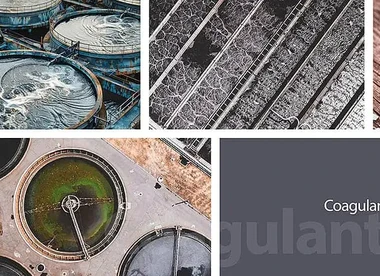
Water disinfection
Before entering the water supply network, the contaminants in drinking water contain high amounts of minerals and metals as well as pathogenic microorganisms, most of which are destroyed in various ways. Performing various purification strategies does not have much effect on the pathogenic bacteria present in the water, and for this reason, various methods, equipment, and materials are used in the chemical purification stage to destroy these bacteria.
Envía tu opinión
Tu dirección de correo electrónico no será publicada.