
Desinfección

Industrial effluent
Considering that industrial wastewater causes additional costs in addition to the cost of treating municipal wastewater, the main goal should be to adopt measures that lead to a reduction in additional costs.
Main disinfection technologies
Disinfection is a key step in water treatment. In water treatment plants, this step is usually performed just before or after filtration. Pre-disinfection using chlorine dioxide and ozone can also be performed with careful consideration of the potential for chlorite, chlorate, and bromate formation.
Desinfección y fluoración del agua
La desinfección del agua potable se realiza para inactivar o eliminar patógenos, con el objetivo de cumplir con los estándares básicos de calidad del agua. La desinfección cumple en parte con el objetivo principal de la purificación del agua, que es proporcionar agua libre de organismos patógenos. La fluoración se utiliza como método para prevenir las caries dentales. La sensibilidad pública hacia la fluoración y los nuevos hallazgos sobre los subproductos de la desinfección han convertido ambos temas en cuestiones candentes y controvertidas de la actualidad.
Secondary disinfection technologies
Secondary disinfection provides an essential residual that prevents the regrowth of microorganisms in the distribution network. Chlorine, chloramines, and chlorine dioxide are commonly used as secondary disinfectants. However, chloramine is the most commonly used secondary disinfectant. Chloramine is not virucidal and is only slightly effective in killing Giardia cysts.
Disinfection and sanitization of water
When water passes through various stages of purification, it must be disinfected to the extent necessary, depending on its intended use. For example, drinking water, after purification and removal of suspended and dissolved substances, must be free from any microbial contamination and not pose any health and safety risk to the consumer. The destruction or inactivation of microscopic organisms and pathogenic microorganisms is known as water disinfection.
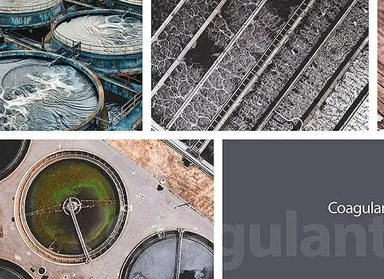
Water disinfection
Before entering the water supply network, the contaminants in drinking water contain high amounts of minerals and metals as well as pathogenic microorganisms, most of which are destroyed in various ways. Performing various purification strategies does not have much effect on the pathogenic bacteria present in the water, and for this reason, various methods, equipment, and materials are used in the chemical purification stage to destroy these bacteria.