


Corrosion prevention with deoxygenators

Corrosion Inhibition by Oxygen Scavengers
A scavenger reacts with dissolved oxygen in a system, preventing the reduction of oxygen to hydroxide ions. Although the interactions between the metal, the scavenger, the pH of the environment, and other dissolved components are complex, oxygen scavengers can be considered corrosion inhibitors, most of whose inhibition involves chemical interactions between the metal and the inhibitor at the metal-water interface.
A scavenger removes dissolved oxygen in a closed system with a neutral or alkaline ph. As a result, corrosion is stopped because oxygen is not available for a cathodic reaction. Sulfite is a common, inexpensive scavenger and is widely used in water injection for oil recovery.
Scavengers are commonly used in systems involving carbon steels, cast iron, copper, and their alloys, and in industrial plants for the production of oil and steam. Oxygen can either cause or prevent corrosion, depending on the conditions. This behavior has been observed in boilers and has been attributed to the presence or absence of aggressive ions such as chloride. Oxygen-enhanced corrosion is a corrosion process that is significantly reduced by the removal of oxygen from the system. Oxygen corrosion can be seen as general or uniform corrosion, pitting, crevice corrosion, water pipe corrosion, and subsoil corrosion.
Inhibition by oxygen scavengers can be cathodic inhibition, in which the chemical removal of oxygen overcomes the hydroxyl ions, and anodic inhibition occurs through fouling. The rate of oxygen consumption by the oxygen scavenger is important in cathodic inhibition. This is a mode of inhibition in the absence of fouling. In the case of oil-borne water in oil fields and boiler feed water that is not sufficiently deionized, fouling does not occur. In these cases, an oxygen scavenger along with pH adjustment is sufficient to inhibit corrosion.
Examples of oxygen scavengers include sulfites, bisulfites, and hydrazine. Sulfites are converted to sulfates by absorbing oxygen, which cause problems in terms of reducing fluid velocity and heat transfer by depositing on pipe walls and metal surfaces. Hydrazine is often used in steam boilers, especially for high-pressure and high-temperature systems. Hydrazine acts slowly at low temperatures. One of the advantages of using this oxygen scavenger is that it does not leave solid residue. Hydrazine has a high vapor pressure. On the other hand, hydrazine can convert to NH3 and cause corrosion in copper parts. Note: Oxygen scavengers are not usually used with deoxidizers because one tries to prevent oxidation and the other tries to oxidize the metal.
share :
Related Articles

Harmful effects of hydrazine on humans
Despite the widespread industrial use of hydrazine, few documented studies have been conducted on its harmful effects in humans. Humans may be exposed to hydrazine in a variety of ways, including occupational exposure, ingestion of hydrazine-containing medications, cigarette smoking, or accidental exposure. Hydrazine is absorbed through the skin, lungs, and gastrointestinal tract and is rapidly distributed throughout the body. Acute human poisoning has been reported to include vomiting, multiple respiratory tract lesions, central nervous system, liver, and kidney damage.
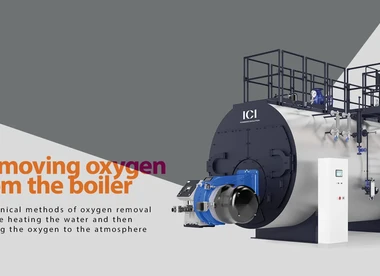
Various methods of removing water oxygen from the boiler
Boiler systems encounter two gases, oxygen and carbon dioxide, dissolved in the water entering them during their working process. The presence of these gases causes corrosion in boilers and heating systems and will disable the device in the long term. Usually, dissolved oxygen in water is removed in two ways, physically and chemically.

Oxygen scavengers
Oxygen scavengers, oxygen scavengers, oxygen absorbers, anti-oxygen or (oxygen scavenger) are used to remove oxygen in various industries. The oxygen scavenger reacts with dissolved oxygen and prevents the reduction of oxygen to hydroxide ions, thus acting as a corrosion inhibitor.
Submit your opinion
Your email address will not be published.