

MED Desalination Chemical Washing Steps — Implementation Guide
1404/12/02
The three main enemies of cooling towers: scale, corrosion, biofouling
1404/11/29
Can antifreeze also prevent the formation of deposits and corrosion?
1404/11/27
What is a chiller and what are its types? A comprehensive guide to choosing the best cooling system
1404/11/20
Why is plain water not enough for home heating? — 4 scientific reasons

Why is plain water not enough for a heating system or radiator?
Many homeowners think that because it’s cheap and readily available, they can use it directly in their heating system or radiator package. But in practice, plain water — even drinking water or reverse osmosis water — is one of the biggest enemies of heating systems. It contains salts, dissolved oxygen, and sometimes bacteria that, over time, cause scale, corrosion, foam, and reduced efficiency. In this guide, we’ll explore four scientific and practical reasons why plain water should never replace specialized chemicals.
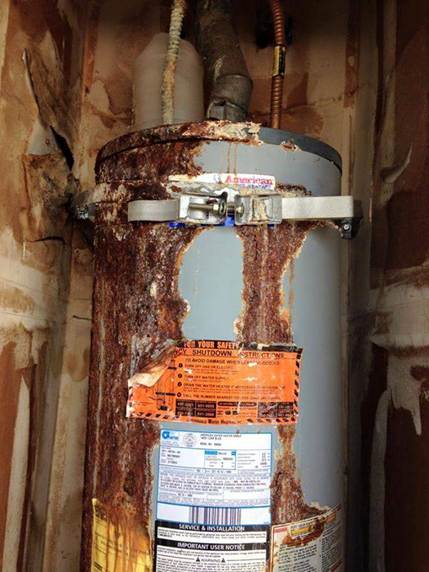
1. Plain water causes scale to form on heating pipes
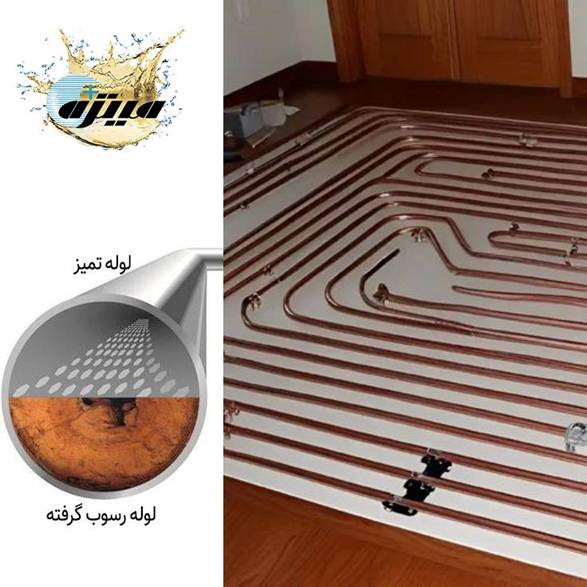
Town water or rural well water is usually hard — that is, it contains calcium (⁺Ca²) and magnesium (⁺Mg²) ions. When this water is heated in a heat exchanger or heating pipes:
- Calcium carbonate (CaCO₃) precipitates
- Sulfates and silica also precipitate at high temperatures
These scale layers:
- Reduce heat transfer by up to 20%
- Cause higher heat loads on the package or boiler
- In the long run, they lead to pump failure or burst pipes
Practical tip: Even RO (reverse osmosis) water is not completely pure and may contain silica or sulfates that precipitate at high temperatures.
2. Plain water corrodes system metals
Heating systems consist of copper (pipes), steel (radiators), cast iron (package), and sometimes aluminum.
Plain water:
- Contains dissolved oxygen that gradually oxidizes metals
- Its pH is inappropriate (usually between 6.5 and 7.5) — while it should be between 8.5 and 10 to prevent corrosion
- In dead spots (such as dead pipes), localized corrosion accelerates
Result:
- The circulating water turns red or brown (rust)
- Radiators rot from the inside
- Sudden leaks occur in winter
3. Plain water causes foam and gas formation in the system
- Water contains some oxygen and nitrogen
- When heated, these gases are released and create foam
Frost causes:
- Reduced pump efficiency
- Rumbling or boiling sounds in the system
- Errors in temperature and pressure sensors
In systems with open expansion sources (such as some villas), this problem is more severe.
4. Plain water freezes in winter and boils in summer
Even if we ignore chemical problems:
- Pure water freezes at 0C° — it only takes one very cold night for the pipes to crack
- The boiling point of water is 100C° — on warm winter days or in compressed packages, the temperature may exceed this limit
In contrast, specialized solutions
- Lower the freezing point to -48 degrees
- Raise the boiling point to +120 degrees
❓❓❓ Common questions from home users ❓❓❓
❓ Is mineral water or distilled water a good alternative?
No. Mineral water contains more salts. Distilled water also only reduces oxygen, but does not change the hardness or pH. None of this prevents scaling, corrosion, or freezing.
❓ Why is my new package fine with plain water?
Maybe hidden damage hasn’t appeared yet. Corrosion and scaling take years to show up — but once they do, they are irreversible.
❓ Can I just use RO water?
RO water reduces the risk of scaling, but:
- It still has dissolved oxygen
- It has a low pH (typically 5.5–6.5)
- It lacks anti-corrosion agents
So, even with RO water, it is necessary to inject protective chemicals.
Conclusion: Cheap water = expensive costs
Using plain water is a short-term saving that in the long run leads to:
- Increased gas or electricity consumption (due to reduced efficiency)
- Early replacement of radiators or packages
- Emergency repair costs in the cold of winter
In contrast, a specialized multi-purpose solution (anti-scaling, anti-boiling, anti-corrosion, anti-foam) not only protects the system, but also increases its life by two to three times.
If you are still using plain water, empty the system today and inject the appropriate solution after washing. This small decision can add years to the life of your equipment.
If you need expert advice to identify the type of sediment or the optimal selection of chemicals, Abrizan Company specialists, with more than 20 years of experience in advanced laboratories, are ready to provide customized solutions to various industries.
share :
MED Desalination Chemical Washing Steps — Implementation Guide
1404/12/02The three main enemies of cooling towers: scale, corrosion, biofouling
1404/11/29Can antifreeze also prevent the formation of deposits and corrosion?
1404/11/27What is a chiller and what are its types? A comprehensive guide to choosing the best cooling system
1404/11/20
Related Articles
Can antifreeze also prevent the formation of deposits and corrosion?
Can antifreeze prevent deposits and corrosion? Short answer: Yes, but only if it is multi-purpose. A comprehensive guide to choosing industrial antifreeze.
The difference between industrial antifreeze and automotive antifreeze – why shouldn't you use it in a package?
Using automotive antifreeze in industrial packages or systems is dangerous! Find out why and what safe alternatives are available.
Why doesn't regular antifreeze work after one season?
Last year's antifreeze no longer works? Technical reason: The inhibitors are worn out. Solution + Smart Choice.
Does antifreeze reduce the thermal efficiency of the system?
Does using antifreeze in heating systems reduce efficiency? Scientific answer + solutions to compensate for performance loss.
Antifreeze Calculation Guide for Villa Packages — Table + Practical Example
How to calculate the exact amount of antifreeze for a villa? Determine the amount of antifreeze step by step with the system volume and the temperature of the area. Prevent freezing.
Industrial antifreeze and anti-boiler: A complete guide to protecting heating and cooling systems
Why are industrial antifreeze and anti-scaling agents essential for circulating systems? A comprehensive guide to preventing freezing, scalding, corrosion and deposits in boilers, chillers and engine rooms
When to Replace System Antifreeze? — Testing and Replacement Guide
6 Signs Your Antifreeze Needs to Be Replaced + Proper Testing Methods at Home and in the Lab. Prevent Freezing and Corrosion.
Protecting Your Villa's Heating System Before Winter — The Complete Guide
How to protect your villa's heating system from freezing, corrosion, and damage before winter in 4 simple steps? Practical guide + antifreeze consumption table.
Submit your opinion
Your email address will not be published.