


What is RCFA? A comprehensive guide to investigating the root causes of damage in industry + benefits and implementation steps

Introduction: When “Treating the Symptoms” Isn’t Enough!
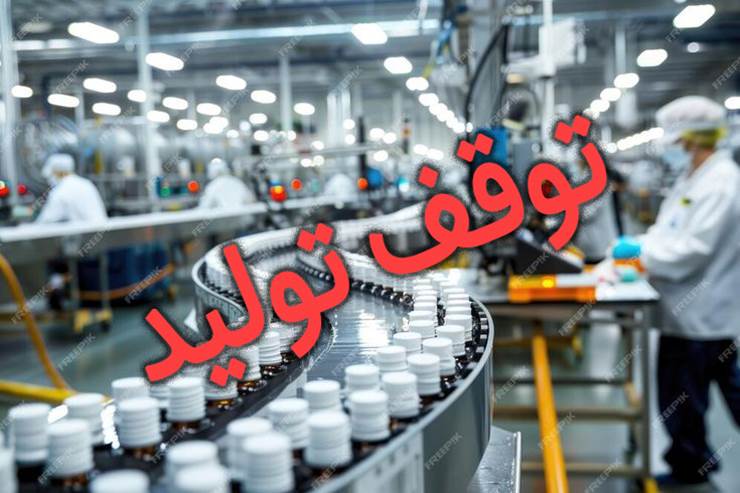
In today’s industrial world, a production line shutdown can cost millions of dollars. From reduced production capacity to environmental damage, from human injuries to the production of non-conforming products, all stem from a failure to properly identify the root cause of the failure.
Many companies still operate with a traditional approach:
“The machine broke down? Replace the part!”
“The pipe is leaking? Weld it!”
But these methods only treat the symptoms, not the disease.
This is where RCFA (Root Cause Failure Analysis) or investigating the root causes of destruction as a systematic engineering method comes into play.
The purpose of this article is to familiarize you with the principles, steps, benefits and consequences of not using RCFA, along with real examples, practical data and implementation solutions for the oil, gas, petrochemical, power plants and manufacturing industries.
What is RCFA? Precise and Practical Definition
RCFA (Root Cause Analysis) is a structured analytical and engineering process designed to identify the root cause of a failure, defect, or deviation from desired performance.
Unlike traditional methods that only answer “What went wrong?”, RCFA addresses deeper questions:
- Why did this failure occur?
- Was this failure predictable?
- What human, design, operational, or maintenance factors led to this failure?
- How can it be prevented from happening again?
In fact, RCFA is a preventative tool, not just an after-the-fact analysis method.
Why is RCFA essential in industry? (Statistics and Facts)
- According to API and ISO 55000 reports, more than 70% of recurring failures in industry are due to failure to perform root cause analysis.
- Companies that use RCFA have experienced up to a 40% reduction in maintenance costs and a 30% increase in equipment reliability.
- In high-risk industries (such as oil and gas), failure to perform RCFA can lead to environmental disasters or human-caused incidents.
Main objectives of RCFA
1. Accurately identify the root cause of the failure (not just the direct cause)
2. Provide effective corrective actions to prevent recurrence
3. Improve maintenance and operational processes
4. Increase the useful life of equipment
5. Reduce unnecessary costs due to incorrect replacements
Steps to implement an RCFA process (step-by-step guide)
1. Identify symptoms and document the event
In this step, all signs of failure are recorded:
- Abnormal noises
- Excessive vibrations
- Reduced pressure or temperature
- Leaks
- Control errors
Note: The use of condition monitoring systems such as vibrometry, thermography or oil analysis increases the accuracy of this step.
2. Assessing Probable Causes (Structured Brainstorming)
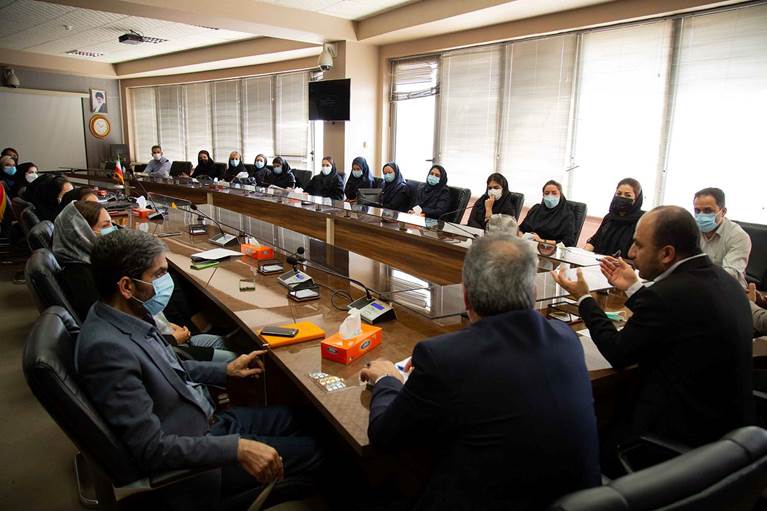
In this phase, the multidisciplinary team (engineering, operations, maintenance, safety) uses tools such as:
- Fishbone Diagram (Ishikawa)
- 5 Whys Analysis
- Cause and Effect Matrix (FMEA)
to create a list of all potential causes. From human factors to design, materials, environment and operations.
3. Collecting and analyzing data
This is where science comes in. The following data is collected:
- Previous failure reports
- Data from sensors and SCADA systems
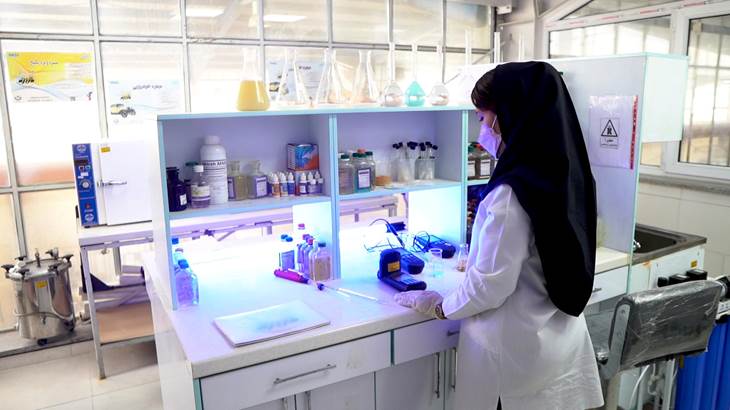
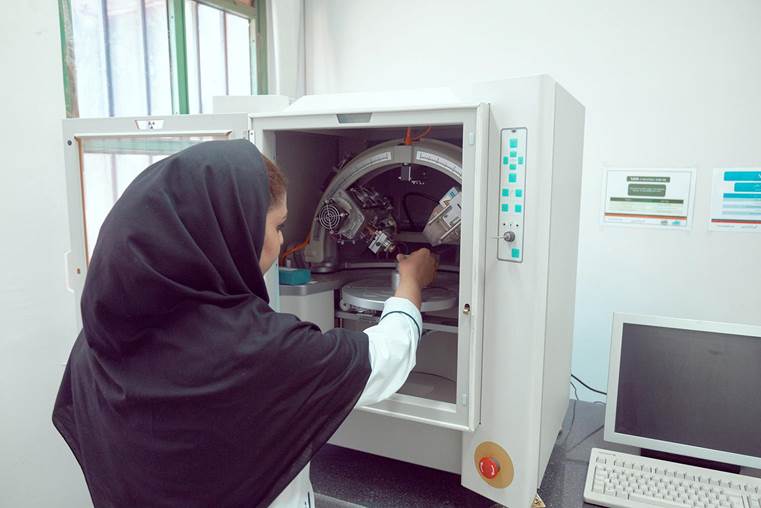
- Laboratory test results (e.g. metallographic analysis, corrosion testing, chemical analysis)
- Maintenance and repair documentation
4. Isolation and Testing of Variables
Each possible cause is tested individually.
Example: If a pump fails, is the cause:
- Corrosion due to water quality?
- Inadequate materials of construction?
- Incorrect installation?
- Failure to replace bearings on time?
With controlled testing or simulation, each hypothesis is rejected or confirmed.
5. Identifying the root cause
Ultimately, one or more root causes are identified that, if corrected, will prevent the failure from recurring.
Real-world example:
At a power plant, heat exchanger tubes were leaking repeatedly.
RCFA analysis showed that the root cause was the presence of chloride ions in the cooling water and the failure to use proper stainless steel, not “poor pipe quality.”
6. Corrective and Preventive Action (CAPA)
In this phase, an implementation plan is designed that includes:
- Changes in design or materials
- Updated maintenance instructions
- Training of personnel
- Continuous monitoring
Key performance indicators (KPIs) are also defined to track the effectiveness of the solutions.
Consequences of not using RCFA in industry
The failure to use this systematic method has serious consequences:
Consequence | Explanation |
Waste of resources | Spending money on replacing parts without fixing the root cause |
Recurring failures | The same problem recurs every few months. |
Decreased customer trust | Production of substandard products or delays in delivery |
Safety hazards | Increased risk of fatal accidents or fires |
Damage to the organization's reputation | Negative media reports or government oversight |
Practical example: How RCFA saved a plant?
In a petrochemical plant, centrifugal pumps were experiencing mechanical failure every 3 months.
Management decided to use RCFA instead of frequent replacement.
Implementation steps:
1. Collect vibration and temperature data
2. Analyze oil samples
3. Review installation and maintenance records
4. Test pump body materials
Result:
The root cause was improper alignment during installation, which caused mechanical stress and metal fatigue.
Solution:
- Train the installation team
- Use laser for accurate alignment
- Add installation checklist to QHSE system
End result:
- Pump life increased from 3 months to over 2 years
- Annual savings: Over 1.2 billion Tomans
When to use RCFA?
RCFA is not just for major failures! Its use is recommended in the following cases:
- Repeated failures (even if they are small)
- Failures with high repair costs
- Incidents that have affected safety
- Quality deviations in the final product
- Critical assets whose downtime has a high impact
Challenges to implementing RCFA and solutions to overcome them
Challenge | Solution |
Lack of time | Allocating a fixed monthly time for failure analysis |
Lack of cooperation between departments | Forming a multidisciplinary team with management support |
Data shortage | Invest in monitoring systems and CMMS |
Resistance to change | Educate and demonstrate ROI (return on investment) |
Conclusion: RCFA, a Smart Investment for the Future of Industry
Root Cause Analysis (RCFA) is not just an analytical method; it is an organizational culture.
Organizations that seek to “deeply understand the causes” rather than “covering up on problems” not only reduce costs but also increase their reliability, safety, and competitiveness.
If you are in the industry and are struggling with recurring failures, now is the time to incorporate RCFA into your processes.
Contact RCFA Experts
With over 20 years of experience in industrial failure analysis, Abrizan Industrial Research Company is ready to work with oil, gas, petrochemical, power plant and manufacturing units in the fields of:
- Root Cause Analysis (RCFA)
- Laboratory analysis of materials, water and wastewater
- Designing corrective and preventive solutions
- Training internal teams to implement RCFA
Contact us for a free consultation. Contacting drainage specialists
share :
Related Articles

Crisis management and securing industries and mines
The world today has become alarmingly vulnerable to natural crises and industrial disasters and their consequences. A crisis is an event that inflicts significant human casualties and financial and environmental damage on society in a short period of time, such that addressing the effects of these events requires fundamental and extraordinary measures.

Process units in oil refineries and petrochemical industries
An oil refinery consists of several operating units and process units. An operating unit is a fundamental step in a process. Like the evolution of the planet, life, and technology, the oil refining industry has been developing with increasing complexity since its founding in 1859. An operating unit consists of physical and chemical processes. The main purpose of refinery units is to extract useful substances from crude oil.

Water management in refineries
Feedwaters to a refinery are usually treated before being used in various processes. The type of treatment depends on the quality of the source water and its end use in the refinery. Turbidity, sediment, and hardness are examples of source water characteristics that may require treatment.
Submit your opinion
Your email address will not be published.