

Why do industrial systems require anti-freeze/coolant in the summer?
1405/03/02
Types of sediments in RO systems and methods for identifying them
1405/02/05
Benefits of using specialized solutions from Abrizan Company for MED
1404/12/09
Why is the use of general acids prohibited in boiler cleaning? (Danger of explosion and corrosion)
1404/12/06
Cooling Tower Chemical Cleaning Steps — Implementation Guide

Is your cooling tower losing efficiency? Are you experiencing increased temperatures, energy consumption, or even a foul odor? These symptoms are clear signs of scale, corrosion, and biofouling in your system. Cooling tower chemical flushing is the only effective way to restore the health and efficiency of your system.
This process is not a simple task, but a meticulous, multi-step protocol that, if not performed correctly, can cause more damage to the equipment than it solves the problem. In this implementation guide, we review the key steps, safety tips, and professional solutions for a successful flush.
Why is cooling tower chemical flushing necessary?
With constant water circulation and contact with air, cooling towers naturally provide an ideal environment for microbial growth, scale formation, and the corrosion process. These contaminants gradually accumulate on the inner surfaces of the pipes, packings, and tank.
- Scale acts as a thermal insulator and disrupts heat transfer.
- Biofouling, or microbial growth, clogs water flow and increases serious health risks such as Legionella bacteria.
- Corrosion weakens the metal structure of the system and drastically reduces its useful life.
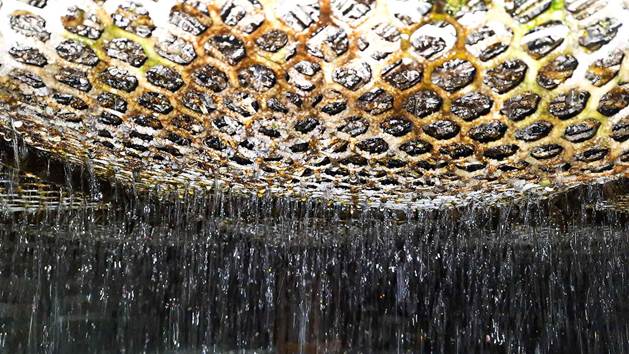
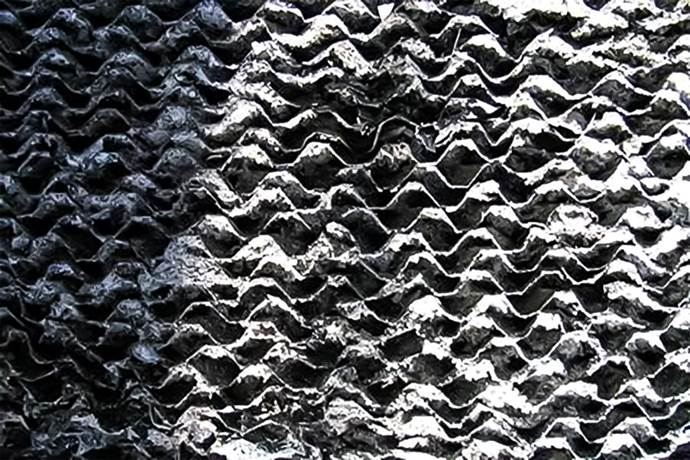
Sludged cooling tower packing
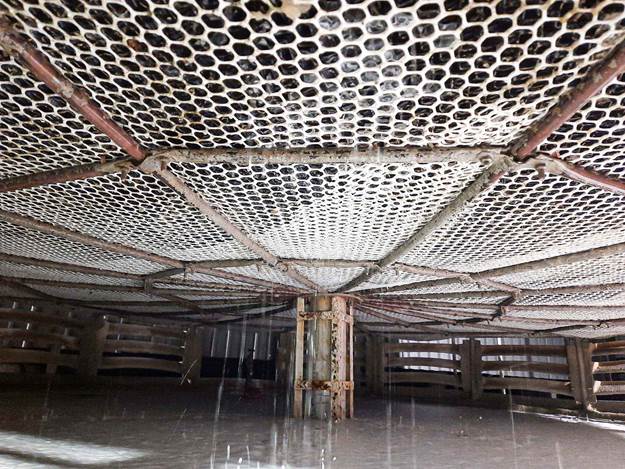
Clean cooling tower packing after sediment removal and washing
Before you start: Planning and preparation
When should we perform chemical flushing?
Chemical flushing is not a reactive activity, but should be part of a preventive maintenance program. However, the following symptoms are definite signs that immediate action is needed:
- Significant decrease in system thermal efficiency.
- Increased outlet water temperature.
- Increased pump pressure or reduced water flow.
- Development of a foul odor or fungal growth in the tank.
- Laboratory results indicate high concentrations of microbes or salts.
Should I do chemical or mechanical flushing?
Both methods are useful, but often the best results are achieved by combining them.
- Mechanical flushing:Suitable for removing coarse particles, sludge and physical contaminants.
- Chemical flushing:The only way to dissolve tough deposits, remove adherent biofilms and neutralize corrosive agents.
Vital safety tips
Before anything else, safety comes first:
- Wear personal protective equipment (PPE):including safety glasses, chemical-resistant gloves, protective clothing and a respirator.
- Complete power outage:Ensure that power to pumps and fans is cut off.
Proper ventilation:Ensure that there is adequate ventilation in the work area to prevent the accumulation of chemical vapors.
Cooling Tower Chemical Flushing Process
The cooling tower chemical flushing process typically consists of five key steps.
✅ Step 1: System Preparation and Drain
1. Shutdown:Turn off all pumps, fans, and chemical injection systems.
2. Shutdown:Turn off the water supply to the system.
3. Drain:Drain the water from the tank and pipes completely. This will prevent the detergent solution from being diluted.
4. Pre-Clean:Manually remove any debris, leaves, or large particles from the tank and trays.
✅ Step 2: Pre-Clean
A mild detergent or dispersant is used in this step. The goal is to loosen the surface layers of sludge, dust, and some biofilm so that the main detergents can penetrate better in the following steps. This solution is circulated through the system for 4 to 8 hours.
✅ Step 3: Main Clean
This step is the heart of the cleaning process and the type of detergent used depends entirely on the type of contamination:
- For carbonate and sulfate deposits:mild acid detergents (such as citric acid or sulfamic acid) are used. These acids dissolve the deposits and remove them from the system as soluble salts.
- For biofouling and biofilm:strong biocides or alkaline detergents are used that destroy the cell structure of the microbes and break down the biofilm.
- For oily or organic sludge:demulsifiers or specific alkaline detergents are used.
Key point: The concentration, temperature and contact time of the detergent solution must be adjusted exactly according to the manufacturer's instructions. Using too high a concentration can damage the metals in the system.
✅ Step 4: Final Rinse
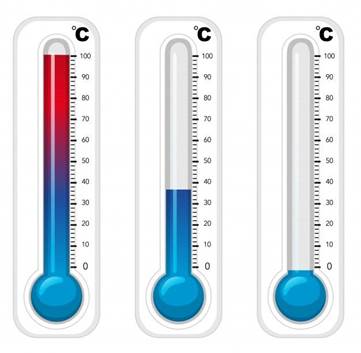
After the main detergent contact time has elapsed, the solution must be completely drained from the system. The system must then be rinsed several times with clean water (preferably fresh water or RO water) to remove all traces of chemicals. This step is very important, as detergent residues can react adversely with subsequent chemicals (such as corrosion inhibitors).
✅ Step 5: Protection and Restart
1. Protect Clean Surfaces:Immediately after rinsing, the system must be charged with a suitable corrosion inhibitor to protect the clean metal surfaces from immediate corrosion.
2. Start-up:Refill the system with feed water and start it up slowly.
3. Monitoring:During the first few days, monitor the water parameters (pH, TDS, chemical concentrations) carefully to ensure the stability of the system.
❓❓❓ Frequently Asked Questions (FAQ) ❓❓❓
❓ Can I do the chemical flushing myself?
Although the general principles seem simple, the correct selection of chemicals, precise dosage adjustment and process safety management require specialized technical knowledge. The wrong choice of detergent can cause extensive damage to the equipment. Consulting with professionals is recommended.
❓ What is the difference between different acid washes?
Different acids are suitable for different types of deposits. Hydrochloric acid is very strong but dangerous to carbon steel. Citric or sulfamic acid are milder and are safer for most steel systems. Always use acid washes that contain a corrosion inhibitor.
❓ After washing, when should I do it again?
This depends on the quality of the feed water, the system design and the routine maintenance schedule. With a regular water treatment program, chemical wash intervals can be extended to 2-3 years or more.
Conclusion: Invest in system health ⭐⭐⭐⭐⭐
Cooling tower chemical wash is not an expense, but a smart investment to extend the life of the equipment, reduce energy consumption and prevent costly breakdowns. Performing this process carefully and according to a standard protocol will ensure the safe and efficient return of your system.
If you need expert advice to identify the type of sediment or the optimal selection of chemicals, Abrizan's specialists, with over 20 years of experience in advanced laboratories, are ready to provide customized solutions to various industries.
share :
Why do industrial systems require anti-freeze/coolant in the summer?
1405/03/02Types of sediments in RO systems and methods for identifying them
1405/02/05Benefits of using specialized solutions from Abrizan Company for MED
1404/12/09Why is the use of general acids prohibited in boiler cleaning? (Danger of explosion and corrosion)
1404/12/06
Related articles
The three main enemies of cooling towers: scale, corrosion, biofouling
A comprehensive guide to identifying and controlling the three main cooling tower problems: scaling, corrosion, and biofouling. Increase system efficiency
What is a chiller and what are its types? A comprehensive guide to choosing the best cooling system
Comprehensive guide to chiller selection: Comparison of Water-Cooled, Air-Cooled, Absorption, Scroll, Screw and their applications in hospitals, petrochemicals and the food industry.
Lithium Bromide Absorption Chillers: Application, Performance, and Maintenance Challenges
How do lithium bromide absorption chillers work? Why are they suitable for air conditioning systems? A comprehensive guide to their performance, benefits, limitations, and chemical maintenance.
What is an absorption chiller? A comprehensive guide to the operation, benefits and challenges of thermal cooling systems
How does an absorption chiller produce cold with heat? Differences from a compression chiller, chemical challenges and maintenance solutions + analysis of lithium bromide solution.
Signs of the need for cooling tower chemical clean?
Is your cooling tower losing efficiency? Increasing temperatures? Bad odors? In this technical guide, learn 10 surefire signs your cooling tower needs chemical flushing — before irreparable damage occurs.
Types of cooling towers in terms of airflow | natural, mechanical, forced, induced, mixed
With a complete introduction to the 5 types of cooling towers in terms of airflow (natural, mechanical, forced, induced, mixed) and how each operates, choose the best chemical maintenance method to increase the efficiency and life of your equipment.
What is a chiller?
Chiller is derived from the Latin word Chill, meaning to cool. Various cycles are used to create refrigeration, the most important of which are the compression refrigeration cycle, the absorption refrigeration cycle, and the thermoelectric refrigeration cycle.
Power plant cooling system
Thermoelectric power plants boil water to create steam, which then turns turbines to generate electricity. The heat needed to boil the water can come from burning fuel, nuclear reactions, or the sun. As the steam passes through a turbine, it must be cooled back to water before it can be used again to generate more electricity. Colder water cools the steam more effectively, increasing the efficiency of electrical energy generation.
Submit your opinion
Your email address will not be published.