

Why do industrial systems require anti-freeze/coolant in the summer?
1405/03/02
Cooling Tower Chemical Cleaning Steps — Implementation Guide
1405/02/07
Types of sediments in RO systems and methods for identifying them
1405/02/05
Benefits of using specialized solutions from Abrizan Company for MED
1404/12/09
Water treatment waste management

What is water treatment waste?
Water treatment wastes are materials that are removed during various treatment processes and contain large amounts of water. These wastes include turbidity and color-forming materials, organic and inorganic solids, algae, bacteria, viruses, and precipitated chemicals. These materials are byproducts of chemical coagulation, iron and manganese precipitation, filter washing, hardening, resin regeneration, and microfilters. The resulting liquid may contain 3 to 10 percent water by volume. Depending on the type of process and the quality of the raw water, the concentration of solids in the wastes varies from 0.1 to 4 percent. These wastes should not be discharged into the streams, rivers, or lakes from which they originated. Currently, these wastes are part of the industrial wastes whose discharge to surface waters is within the scope of the Water Pollution Control Act Amendments of 1972 and the Clean Water Act of 1977. For discharges to surface waters, a national discharge permit will be required.
Management of operational and process units
Waste management generally involves settling, thickening, conditioning, dewatering, drying, recycling and disposal. Often, wastewater treatment plant effluents are allowed to be discharged into municipal sewers. The choice of these processes depends largely on factors such as the available space on site, the type and amount of sludge, the local climatic conditions, the price of the raw chemicals and the type of final disposal method.
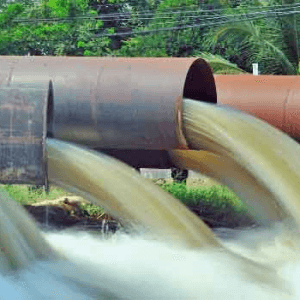
Appropriate Pattern for Waste Management
The selection of an appropriate pattern for sludge thickening, conditioning, dewatering, disposal or recycling should be based on the size of the unit, the cost of construction and equipment, the available land and location of the unit, and operating factors such as chemicals, energy, labor, and the capabilities of each process, as well as the overall economic considerations of the treatment pattern.
Factors affecting the final selection of the appropriate treatment pattern
- Land requirements
- Performance in adverse weather conditions
- Ability to handle flow variations
- Process reliability
- Ease of operation and maintenance
- Prerequisites
- Sludge and supernatant quality
share :
Why do industrial systems require anti-freeze/coolant in the summer?
1405/03/02Cooling Tower Chemical Cleaning Steps — Implementation Guide
1405/02/07Types of sediments in RO systems and methods for identifying them
1405/02/05Benefits of using specialized solutions from Abrizan Company for MED
1404/12/09
Related articles
MED Desalination Chemical Washing Steps — Implementation Guide
A step-by-step guide to chemical flushing of MED desalination plants: from scale detection to safe and effective implementation. Preventing corrosion and increasing efficiency
International standards for maintaining and cleaning desalination plants
Do you know what international standards are required for the maintenance and cleaning of desalination plants? A complete guide to extending the life of equipment and preventing sedimentation.
Water Turbidity Measurement: A Comprehensive Guide for Industry and Drinking Water
What is water turbidity? Why is it vital to measure it? Read about measurement methods, standards, and ways to reduce turbidity in this complete guide.
Types of deposits and corrosion in MED desalination water
Types of deposits and corrosion in MED desalination plants — calcium carbonate, sulfate, silica, magnesium hydroxide, subsedimentary corrosion. Accurate detection methods with XRD, SEM, ICP. Specialized solutions for water treatment plants with (Mitreh brand).
Why is it important to control sedimentation and corrosion in desalination devices؟
Why is scale and corrosion control vital in desalination plants? A technical and economic analysis of the impact of scale and corrosion on equipment performance, cost, and life. Warning signs and preventive measures. Suitable for engineers and industrial managers

Comparison of RO, MED, MSF desalination water in terms of cost, energy consumption, chemical requirement of the industry
Detailed comparison of RO, MED, MSF in terms of cost, energy consumption and chemical requirements. Technical analysis, comparison table and decision-making guide. MED with recycled heat is cheaper than RO! Suitable for engineers and industrial managers
MVC desalination plant (Mechanical vapor compression)
MVC (Mechanical Vapor Compression) Desalination — Comprehensive Guide to Application, Advantages, Disadvantages and Chemical Solutions by Abrizan Company (Mitreh Brand). Evaporator Chemical Washing, Thermal Anti-Fouling, Laboratory Consulting. Increase Efficiency — Reduce Energy Costs
EDI desalination plant (Electrodialysis)
EDI (Electrodialysis) Desalination — A Comprehensive Guide to Technology, Applications, Advantages and Disadvantages. Ultrapure Water Production Without Regeneration Chemicals. Applications in Pharmaceutical, Semiconductor and Power Plants. Pretreatment Requirements and Technical Challenges
Submit your opinion
Your email address will not be published.