
EC
Water Tube Boilers | Types and Structure
Comprehensive review of water tube boilers, their types, scale formation, reduced efficiency, and maintenance solutions with specialized Mitreh solutions to increase life and reduce fuel consumption
Complete guide to chemical washing of industrial equipment Methods, detergents and safety tips
A comprehensive guide to chemical cleaning and descaling of industrial equipment — a variety of methods, detergents, safety tips, and an introduction to the MDA0102 cold miter as a safe, on-line solution. Increase efficiency, reduce costs, and protect equipment.
Causes of tube corrosion in the economizer of the steam generation system
Corrosion in steam generation systems causes many problems in refineries, gas plants and petrochemical plants. Corrosion in boilers is a function of the concentration of oxygen, carbon dioxide and ammonia and the way these species are controlled, and in some cases is caused by the presence of hydroxide and chloride anions or high concentrations of chelating chemicals in the boiler water.
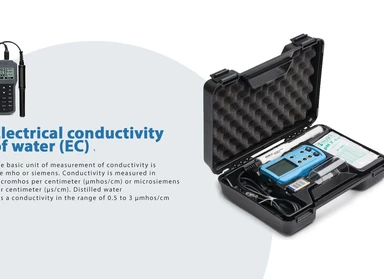
Electrical conductivity of water (EC)
The electrical conductivity (EC) of water is a measure of the ability of water to conduct an electric current. This ability is directly related to the concentration of conductive ions in the water. These conductive ions are caused by the presence of inorganic substances such as chlorides, alkalis, carbonate compounds, and sulfides, and dissolved salts. Most metals are excellent conductors of electricity because of the large number of free electrons.