
Water parameters
Alkalinity phenolphthalein kit
Alkalinity is a chemical measure of water's ability to neutralize acids. Alkalinity is also a measure of the buffering capacity of water, or its ability to resist changes in pH after the addition of acids. The alkalinity of natural waters is primarily due to the presence of weak acid salts, although strong bases may also contribute in extreme environments, e.g. (–OH).
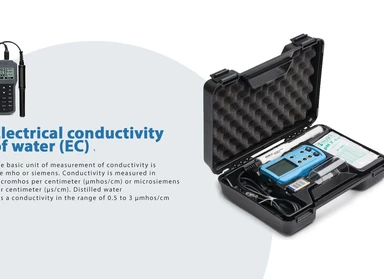
Electrical conductivity of water (EC)
The electrical conductivity (EC) of water is a measure of the ability of water to conduct an electric current. This ability is directly related to the concentration of conductive ions in the water. These conductive ions are caused by the presence of inorganic substances such as chlorides, alkalis, carbonate compounds, and sulfides, and dissolved salts. Most metals are excellent conductors of electricity because of the large number of free electrons.
Water pH measurement kit
We use a pH measurement kit to quickly and easily test and measure the pH of drinking and industrial water to maintain health and prevent damage to equipment, as well as control production processes.
What is a total hardness kit?
Water hardness is caused almost entirely by calcium and magnesium ions. Other divalent and trivalent metals have a similar effect, but are not usually present in sufficient concentrations in drinking water to cause problems. High hardness prevents the formation of soap scum and can cause scale in water systems, especially boilers, cooling systems, and fresh water piping.
How is chloride measured?
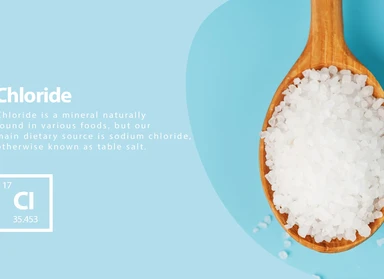
Chloride, in the form of the chloride ion (Cl-), is one of the most important mineral anions in water and wastewater. The salty taste varies with the chloride concentration and is dependent on the chemical composition of the water. Some waters containing 250 mg Cl-/L may have a detectable salty taste if the sodium cation is present.